
When it comes to choosing the perfect surface for your kitchen or bathroom, knowing the difference between quartz and quartzite is essential. While their names may sound similar, these two materials are fundamentally different, both in how they are formed and in their composition. Understanding these distinctions can help homeowners make informed decisions that match their style preferences and functional needs.
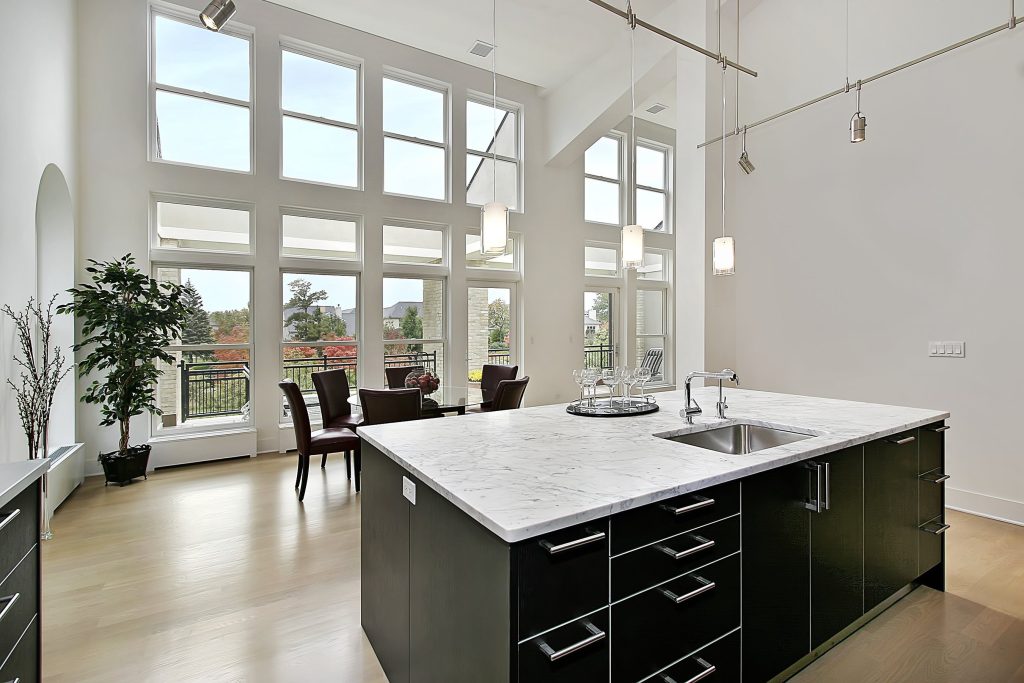
Quartz, often referred to as engineered quartz, is a man-made material. It is created by combining natural quartz crystals with resins, pigments, and other additives. This process allows manufacturers to control color, pattern, and consistency, resulting in a surface that can mimic natural stone while offering uniformity across slabs. The resin not only binds the quartz particles together but also makes the material less porous, providing resistance to stains and moisture. For homeowners, this means a countertop that is both visually versatile and low-maintenance, ideal for busy kitchens where durability matters.
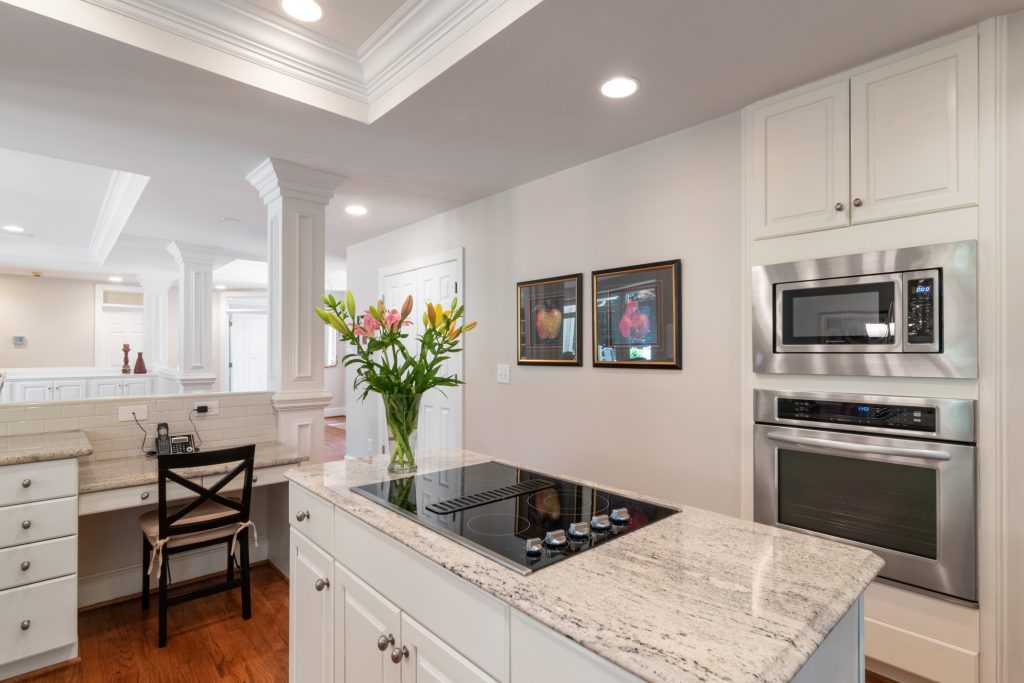
On the other hand, quartzite is a natural metamorphic stone formed over millions of years. It begins as sandstone, which is gradually subjected to intense heat and pressure beneath the Earth’s surface. This natural transformation fuses the quartz grains together, creating a dense, highly durable stone. Quartzite’s natural formation results in unique veining and color variations that cannot be replicated exactly in engineered quartz. Each slab tells its own geological story, giving your countertop a distinct and authentic look that is highly sought after by homeowners who appreciate natural beauty.
The differences in formation also influence their physical properties. Quartzite is harder and more resistant to heat and scratches, while quartz offers flexibility in design and predictable patterns. These distinctions are critical when consulting with countertop fabricators in Ware Shoals, SC, who can guide you toward the material that best suits your daily lifestyle and aesthetic goals.
For homeowners in the area, Anderson Granite & Marble Shop of Greenwood provides expert guidance on selecting between quartz and quartzite. Their team works closely with local countertop fabricators in Ware Shoals, SC to ensure each installation combines functionality, durability, and style. Understanding the origins and composition of your stone is the first step toward making a choice that meets both practical and design expectations.
Whether you prefer the engineered consistency of quartz or the natural elegance of quartzite, consulting experienced countertop fabricators in Ware Shoals, SC ensures that your new countertop will serve as a lasting centerpiece in your home.
Quartz vs. Quartzite: Performance Differences in Your Kitchen or Bathroom
Choosing the right material for your countertops goes beyond aesthetics; performance plays a critical role in daily use. Quartz and quartzite, while similar in name, offer very different characteristics that can influence how well they handle the demands of a kitchen or bathroom environment. Understanding these differences helps homeowners select a surface that meets both functional and design needs.
Quartz, being an engineered material, combines natural quartz crystals with resins and pigments. This composition creates a non-porous surface that resists stains, spills, and moisture, making it ideal for bathrooms and busy kitchens where cleanliness is a priority. Its consistent hardness allows it to withstand regular use, although it is slightly less heat-resistant than natural stone due to the resin content. For tasks like cutting, mixing, or placing hot pots, quartz performs reliably but should still be protected from direct high heat to prevent potential damage.
Quartzite, on the other hand, is a naturally formed metamorphic stone that has undergone intense heat and pressure over millions of years. This natural formation results in exceptional hardness, making it highly resistant to scratches and abrasions. Quartzite also tolerates higher temperatures, so hot cookware can often be placed directly on the surface without worry. However, because it is a natural stone, it is more porous than quartz and may require periodic sealing to prevent staining, especially in areas with heavy use or exposure to liquids.
For homeowners in Ware Shoals, consulting experienced countertop fabricators in Ware Shoals, SC can clarify which material aligns best with their lifestyle and kitchen habits. Anderson Granite & Marble Shop of Greenwood works closely with local countertop fabricators in Ware Shoals, SC to ensure each installation maximizes both beauty and durability. These experts consider factors such as household activity levels, maintenance preferences, and exposure to heat or liquids when recommending quartz or quartzite.
Understanding the performance differences between quartz and quartzite ensures your countertop not only complements your home’s design but also withstands the practical demands of everyday use. Partnering with knowledgeable countertop fabricators in Ware Shoals, SC guarantees a choice that delivers both style and long-lasting functionality.

Why Correct Terminology Matters When Choosing Quartz or Quartzite
When selecting a countertop, knowing the difference between quartz and quartzite is more than a matter of semantics, it directly affects your purchase, expectations, and satisfaction. Homeowners who understand the correct terminology can make informed decisions, communicate clearly with professionals, and avoid costly mistakes in the selection and installation process.
Using the term “quartz” accurately signals an engineered surface, highlighting its non-porous nature, consistent pattern, and lower maintenance requirements. Conversely, “quartzite” identifies a natural stone with unique veining, exceptional hardness, and greater heat resistance, though it may require sealing to protect against stains. Mislabeling these materials can lead to misunderstandings about durability, care needs, and long-term performance.
Professional guidance is essential, and consulting experienced countertop fabricators in Ware Shoals, SC ensures that homeowners receive precise recommendations based on the material’s characteristics. These experts can clarify the differences in composition, maintenance, and resilience, helping buyers choose the surface that truly aligns with their kitchen or bathroom lifestyle.
Correct terminology also fosters better communication with suppliers and installers. When homeowners use accurate names, professionals like those at Anderson Granite & Marble Shop of Greenwood can provide tailored advice, avoiding confusion during fabrication, delivery, and installation. This clarity helps prevent mismatched expectations, ensuring that the final countertop meets both aesthetic and functional goals.
Moreover, understanding the difference between quartz and quartzite allows for long-term satisfaction. Homeowners are less likely to be surprised by care requirements, susceptibility to heat or stains, or the overall performance of their countertop. By working with knowledgeable countertop fabricators in Ware Shoals, SC, clients gain confidence that their investment will perform as intended, maintaining its beauty and functionality for years to come.
Clear terminology is not just technical, it empowers homeowners, streamlines communication with professionals, and safeguards the quality of their countertop investment.