

People often walk into a kitchen, touch a countertop, and say something that surprises them. They expect stone to feel cold, yet they describe it as warm. That reaction happens more often than most realize. It is not imagination. It is perception.
Warmth in materials is not only about temperature. It is about how the brain interprets what it sees and feels. Natural stone triggers a different response than manufactured surfaces because it carries signals of authenticity, variation, and depth. Those signals matter more than most homeowners realize when comparing options at granite countertop stores in Honea Path, SC. Warmth is a psychological experience long before it is a physical one.

The Brain Recognizes What Is Real
Human perception is built to detect natural patterns. Long before modern homes existed, the human brain evolved to read organic textures in stone, wood, and earth. These patterns signal safety and familiarity. Even today, that instinct remains active. Natural stone contains irregular mineral movement that cannot be replicated perfectly. The variation is subtle, but the brain notices it instantly. Engineered materials, even when beautifully designed, repeat patterns. That repetition can feel visually flat without people understanding why.
At Anderson Granite & Marble Shop of Greenwood, based in Greenwood, SC and serving Honea Path, SC, we see this reaction every day. Someone will look at two surfaces side by side and instinctively gravitate toward the stone without being able to explain the reason. That moment is perception doing its work.
Depth Changes Everything
Natural stone has visual depth. Light does not simply reflect off it. It enters the surface slightly, interacts with minerals, and returns differently depending on angle. This layered reflection creates dimension. Engineered surfaces tend to reflect light more uniformly. Even when polished beautifully, they can appear visually flatter. That difference affects how a kitchen feels. Depth creates warmth because it softens light rather than bouncing it back sharply. When homeowners visit granite countertop stores in Honea Path, SC, they often describe stone as softer even when the finish is glossy. That softness is not texture. It is light behavior.
Variation Signals Comfort
Uniformity can look clean, but too much of it can feel sterile. Natural stone avoids this because no two sections are identical. Tiny shifts in color and mineral distribution create movement that keeps the eye engaged without overwhelming it. This movement is calming. It mimics patterns found in nature, which humans instinctively associate with comfort. Engineered surfaces sometimes imitate this effect, but the repetition pattern eventually becomes visible to the subconscious mind. We notice clients relaxing physically when standing near natural stone slabs. Shoulders drop. Hands rest casually on the surface. These responses happen before decisions are made. At Anderson Granite & Marble Shop of Greenwood, moments like these show us that warmth is being felt, not just seen.
Texture and Touch Influence Emotion
Even polished stone has micro-texture. This texture is almost invisible, yet it affects how the surface feels when touched. Natural stone offers subtle resistance that feels grounding. Engineered materials often feel smoother and more uniform. This difference influences comfort. Slight texture variation gives tactile feedback that feels real and reassuring. Completely uniform surfaces can feel distant, almost glasslike, even when they are not. Homeowners exploring materials at granite countertop stores in Honea Path, SC frequently mention that natural stone feels more inviting to the touch. That reaction is sensory, not logical.
The Emotional Language of Materials
Materials communicate messages. Natural stone speaks the language of permanence, authenticity, and stability. Engineered surfaces speak the language of precision and control. Neither is wrong. They simply evoke different emotions.
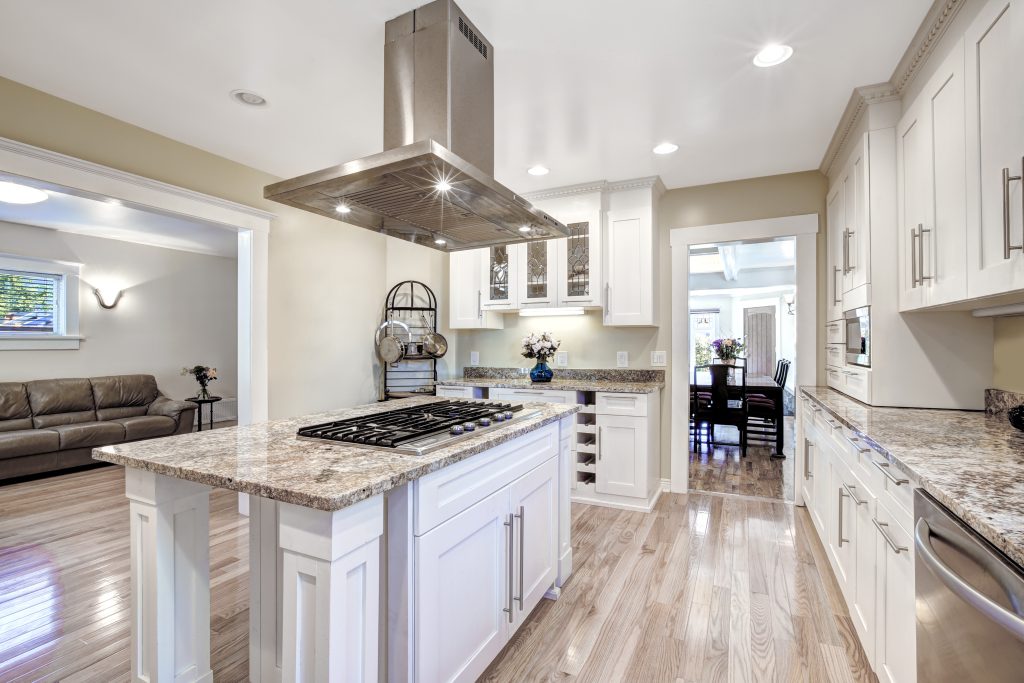
Stone often makes a space feel established. It suggests that the kitchen belongs to the home rather than being installed into it. This sense of belonging contributes strongly to perceived warmth. Serving homeowners throughout Honea Path, SC from Greenwood, SC, Anderson Granite & Marble Shop of Greenwood pays attention to these emotional signals because they often determine satisfaction long after installation.
Why Warmth Is Not About Color Alone
Many people assume warm materials must have warm colors. In reality, even cool-toned stone can feel warm. The sensation comes from depth and variation rather than hue. A gray or white granite with natural mineral movement can feel more welcoming than a beige engineered surface with flat patterning. Color influences mood, but structure influences perception more deeply. This is why people comparing surfaces at granite countertop stores in Honea Path, SC sometimes choose stone that looks cooler in tone yet feels warmer overall.
Natural Imperfection Creates Comfort
Perfect surfaces can feel intimidating. They seem fragile or untouchable. Natural stone avoids that effect because its variation signals resilience. Minor marks blend into existing pattern rather than standing out. This forgiving quality makes people more comfortable using the surface freely. They cook more. They gather more. They interact naturally instead of cautiously. At Anderson Granite & Marble Shop of Greenwood, we often explain that warmth comes from ease. Materials that allow relaxed use feel warmer than materials that demand constant attention.
Time Strengthens the Feeling
Natural stone often feels warmer as years pass. This is because people form associations with it. Meals prepared. Conversations shared. Daily routines repeated. The stone becomes part of memory. Engineered materials can remain visually consistent, but natural stone evolves visually in subtle ways that deepen attachment. That evolving relationship enhances emotional warmth. Clients who return to us after years frequently describe how their stone now feels more personal than when it was first installed. Experiences like that remind us why natural materials continue to resonate.
Light, Shadow, and Atmosphere
Lighting plays a major role in how surfaces are perceived. Natural stone interacts with changing light throughout the day. Morning light reveals different mineral tones than evening light. This variation keeps the space visually alive. Engineered surfaces tend to appear more static under shifting light. That stability can be appealing, but it does not create the same atmospheric depth. When homeowners visit granite countertop stores in Honea Path, SC, we encourage them to view slabs from multiple angles. Watching how light moves across stone often changes their preference instantly.
Authenticity Is Felt, Not Explained
People respond to authenticity instinctively. Natural materials carry evidence of their origin. Veins, flecks, and color transitions show the story of formation. Even if someone does not consciously think about geology, the presence of that history feels grounding. This grounding effect contributes strongly to warmth. It makes a kitchen feel connected to something real rather than purely manufactured. At Anderson Granite & Marble Shop of Greenwood, we see homeowners recognize this authenticity within seconds of seeing a slab that resonates with them.
Why Warmth Matters in Everyday Living
Warmth is not just aesthetic. It affects how often a space is used. Kitchens that feel inviting attract people naturally. They become gathering places instead of transitional zones. Natural stone supports this by creating an environment that feels comfortable and lived in from the beginning. It does not need time to become welcoming. It arrives that way. That is why many homeowners who start researching at granite countertop stores in Honea Path, SC ultimately choose stone even if they originally considered engineered options.
A Material That Connects People to Space
Natural stone has a rare ability to connect people to their surroundings. It grounds the room visually and emotionally. It reduces the sense of artificiality that sometimes accompanies modern interiors. Based in Greenwood, SC and serving Honea Path, SC, Anderson Granite & Marble Shop of Greenwood has seen how this connection transforms kitchens. Spaces with natural stone often feel calmer, more inviting, and more personal without any additional decoration. Warmth, in this sense, is not temperature. It is belonging.
Why Stone Continues to Feel Human
Engineered surfaces are impressive achievements of modern manufacturing. Yet natural stone continues to resonate in a way that feels instinctive. It reflects irregularity, depth, and authenticity, all of which humans respond to naturally. For homeowners exploring options at granite countertop stores in Honea Path, SC, this response often becomes clear the moment they encounter the right slab. The choice suddenly feels obvious, not because of specifications, but because of sensation. Natural stone feels warmer because it speaks the language the human mind understands best.