

Quartz countertops are celebrated for their durability, non-porous nature, and ease of maintenance, making them a top choice for many homeowners. However, despite their impressive resistance to stains, certain conditions can still lead to discoloration. At Anderson Granite & Marble Shop of Greenwood, we want to help you understand what causes stains on quartz kitchen countertops in Coronaca, SC, and how to prevent them.

What causes stains on quartz countertops?
Common Stain-Causing Substances
Food and Beverage Spills: One of the most common causes of stains on quartz kitchen countertops is prolonged exposure to certain food and beverages. Substances like red wine, coffee, tea, and tomato sauce contain strong pigments that can leave marks if not cleaned up quickly. Even though quartz is non-porous and does not absorb liquids like natural stones, these strong colors can sometimes settle on the surface if left unattended.
Oils and Grease: Oils from cooking, especially when left on the countertop for extended periods, can also lead to staining. Grease from frying or oily foods can create a residue that may be difficult to remove if it isn’t cleaned promptly. Regular cleaning with a gentle detergent can help prevent oil buildup on your quartz kitchen countertops in Coronaca, SC.
Acidic Substances: While quartz is resistant to many household chemicals, acidic substances such as lemon juice, vinegar, and certain household cleaners can cause discoloration if left on the surface for too long. These acids can react with the resin binders in the quartz, leading to a dulled appearance or light spots. It’s important to wipe up acidic spills immediately to avoid any lasting damage.
Environmental Factors
Sunlight Exposure: Prolonged exposure to direct sunlight can also affect quartz countertops. Over time, UV rays can cause the color of the quartz to fade or yellow, especially in lighter shades. This is why it’s essential to protect quartz surfaces from direct sunlight or consider UV-protective coatings if your countertops are in a sunlit area.
Heat Damage: Although quartz is heat-resistant, placing hot pots or pans directly on the countertop can cause thermal shock, leading to discoloration or even cracks. Always use trivets or heat pads to protect the surface from excessive heat.
Chemical Spills
Harsh Chemicals: Certain chemicals, like bleach, paint removers, or industrial cleaners, can damage the surface of quartz. These substances can cause the resin binders to break down, leading to stains or a dull appearance. Always use pH-neutral cleaners specifically designed for quartz when maintaining your quartz kitchen countertops in Coronaca, SC.
Preventative Measures
Immediate Cleaning: The best way to prevent stains on quartz countertops is to clean spills as soon as they happen. Using a mild dish soap and water, followed by a thorough rinse, can keep your countertops looking pristine. Avoid abrasive sponges or harsh cleaners that could damage the surface.
Regular Maintenance: Regularly wiping down your quartz kitchen countertops in Coronaca, SC with a soft cloth and a gentle cleaner can help maintain their beauty and prevent stains from setting in. It’s a simple yet effective way to ensure your countertops stay in top condition.
Understanding the potential causes of stains on quartz kitchen countertops can help you take the necessary precautions to keep them looking beautiful for years to come. At Anderson Granite & Marble Shop of Greenwood, we are here to provide you with the best tips and products to maintain your quartz countertops, ensuring they remain a stunning centerpiece in your kitchen.

Is Quartz More Resistant to Stains Compared to Other Materials?
When choosing the right countertop material for your kitchen, stain resistance is a key factor to consider. Quartz countertops are renowned for their durability and low-maintenance properties, but how do they compare to other materials when it comes to resisting stains? At Anderson Granite & Marble Shop of Greenwood, we want to help you understand why quartz might be the best choice for your kitchen.
Quartz vs. Natural Stone Countertops
Non-Porous Nature: One of the primary reasons quartz kitchen countertops are more resistant to stains than natural stone countertops like granite or marble is their non-porous nature. Quartz is engineered using a combination of natural quartz stone and resins, creating a surface that doesn’t absorb liquids. This means that common kitchen spills like wine, coffee, or oils are less likely to penetrate the surface, making it easier to clean and less prone to staining.
Low Maintenance: Unlike marble and granite, which require regular sealing to maintain their stain resistance, quartz countertops do not need to be sealed. The non-porous surface of quartz naturally repels liquids, meaning it offers superior stain resistance with less maintenance effort. This makes quartz an ideal choice for busy kitchens where spills are common, and upkeep needs to be simple and straightforward.
Quartz vs. Other Engineered Materials
While other materials can also offer good stain resistance, they don’t match the durability and longevity of quartz. Many other materials can discolor over time, especially with exposure to heat. Quartz kitchen countertops combine the best of both worlds — superior stain resistance and the durability to withstand everyday kitchen use without the risk of damage or discoloration.
Durability and Heat Resistance: Another advantage of quartz over other materials is its heat resistance. While it’s always recommended to use trivets, quartz is less likely to be damaged by heat, which can sometimes cause stains or discoloration in other countertop materials. This added resilience makes quartz a top choice for homeowners looking for both beauty and practicality in their kitchen countertops.
The Bottom Line on Quartz Stain Resistance
Ease of Cleaning: The non-porous surface of quartz not only resists stains but also makes it incredibly easy to clean. A simple wipe down with a mild detergent and water is usually all that’s needed to keep your quartz kitchen countertops in Coronaca, SC, looking pristine. This ease of maintenance is a significant advantage over more porous materials, which may require special cleaners or frequent attention to avoid staining.
Comparison with Other Stone Countertops: Compared to other stone options like granite or marble, quartz provides superior stain resistance without sacrificing aesthetic appeal. While granite is also durable, it requires sealing to maintain its resistance to stains, and marble, being more porous, is more susceptible to staining. Quartz, therefore, offers the perfect balance of beauty, durability, and low maintenance, making it an excellent choice for any kitchen.
When it comes to stain resistance, quartz countertops clearly outperform many other materials. With their non-porous surface, ease of cleaning, and low maintenance needs, quartz countertops provide a worry-free option that is both beautiful and practical. At Anderson Granite & Marble Shop of Greenwood, we are committed to offering the highest quality quartz countertops that will keep your kitchen looking stunning and stain-free for years to come.
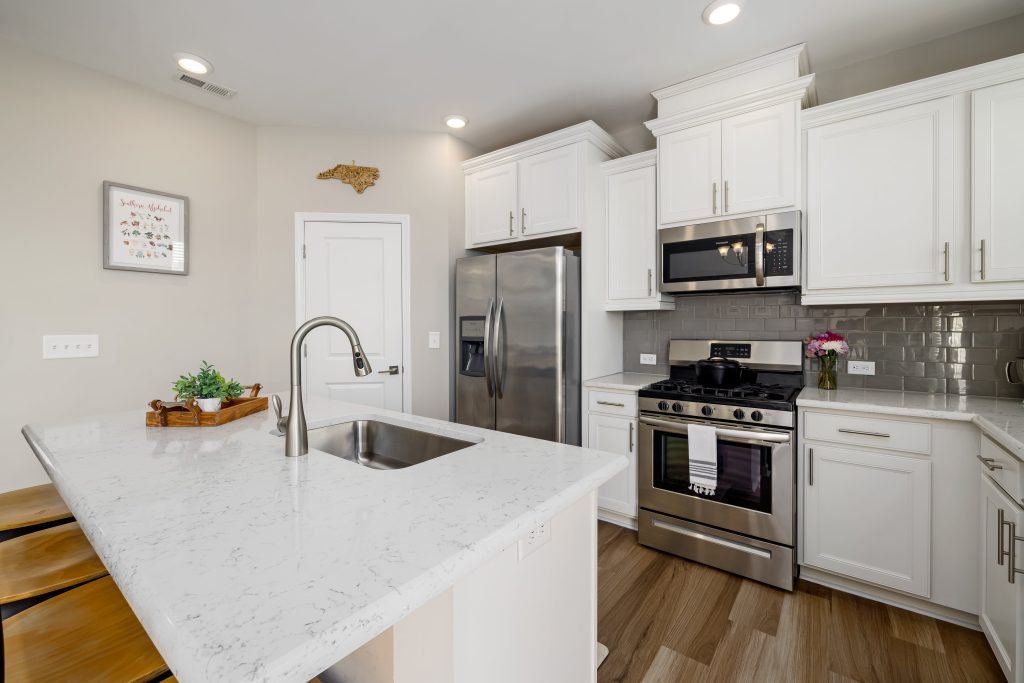
Preventing and Removing Stains on Quartz Countertops
Even though quartz countertops are highly resistant to stains, taking proactive steps can help maintain their pristine appearance. At Anderson Granite & Marble Shop of Greenwood, we believe in providing our customers with the best practices for keeping their quartz countertops looking like new. Here’s how you can prevent and effectively remove stains on your quartz surfaces.
Immediate Clean-Up: One of the simplest and most effective ways to prevent stains on quartz countertops is to clean up spills immediately. Quartz is non-porous, but letting substances like wine, coffee, or oils sit for too long can lead to surface stains or discoloration. Wiping up spills as soon as they occur with a soft cloth and mild soap will go a long way in keeping your countertops spotless.
Use of Cutting Boards and Trivets: Although quartz is heat-resistant, placing hot pots or pans directly on the surface can cause damage that might lead to staining. Similarly, cutting directly on the quartz surface can leave behind metal marks or scratches that can trap residue. Always use cutting boards and trivets to protect your quartz kitchen countertops in Coronaca, SC, from potential damage.
Avoiding Harsh Chemicals: It’s important to avoid using harsh or abrasive cleaners on quartz. Bleach, oven cleaners, and strong solvents can break down the resin binders in quartz, leading to dull spots or discoloration. Stick to pH-neutral cleaners or mild soap and water for everyday cleaning to maintain the integrity of your quartz countertops.
Removing Stains from Quartz Countertops
Gentle Cleaning Solutions: If a stain does occur, start with a gentle cleaning solution. A mix of mild dish soap and warm water is usually sufficient to lift most stains from quartz countertops. Apply the solution to the stained area and let it sit for a few minutes before wiping it away with a soft cloth.
Baking Soda Paste for Tough Stains: For more stubborn stains, a paste made from baking soda and water can be effective. Apply the paste to the stain, let it sit for a few minutes, then gently scrub with a soft cloth or sponge. Rinse the area thoroughly with water afterward to ensure no residue is left behind.
Specialized Quartz Cleaners: In cases where a more stubborn stain persists, using a specialized quartz cleaner can help. These products are designed specifically to tackle tough stains without damaging the surface of your quartz kitchen countertops in Coronaca, SC. Always follow the manufacturer’s instructions and test the cleaner on a small, inconspicuous area first to ensure it does not affect the countertop’s finish.
Handling Chemical Spills: If harsh chemicals like paint thinners, bleach, or nail polish remover come into contact with your quartz countertops, immediately blot the spill with a soft cloth and rinse the area thoroughly with water. Avoid rubbing the spill, as this could spread the chemical and potentially cause more damage.

By following these preventive measures and using the right cleaning techniques, you can keep your quartz kitchen countertops in Coronaca, SC, looking beautiful and free from stains for years to come. At Anderson Granite & Marble Shop of Greenwood, we are committed to helping you maintain the elegance and functionality of your quartz countertops, ensuring they remain a stunning centerpiece in your kitchen.