
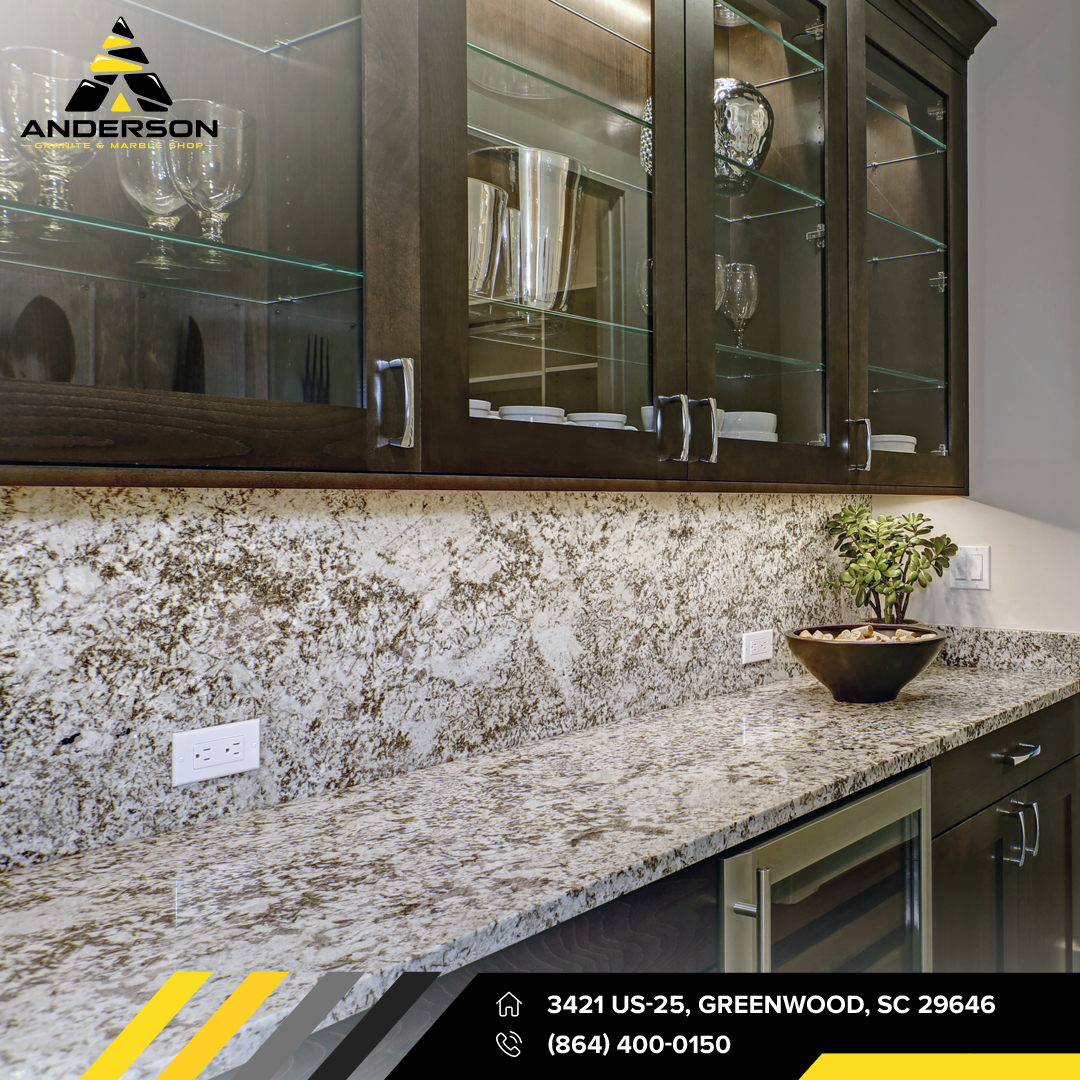
Most granite countertops need to be sealed once every 1–2 years, but the exact timing depends on the stone type, usage, and exposure to liquids. We explain this constantly to homeowners comparing options at granite stores in Silverstreet, SC, because sealing is one of the few maintenance steps granite actually requiresб and it’s often misunderstood. Let’s break it down in a way that reflects real-life use, not theory.
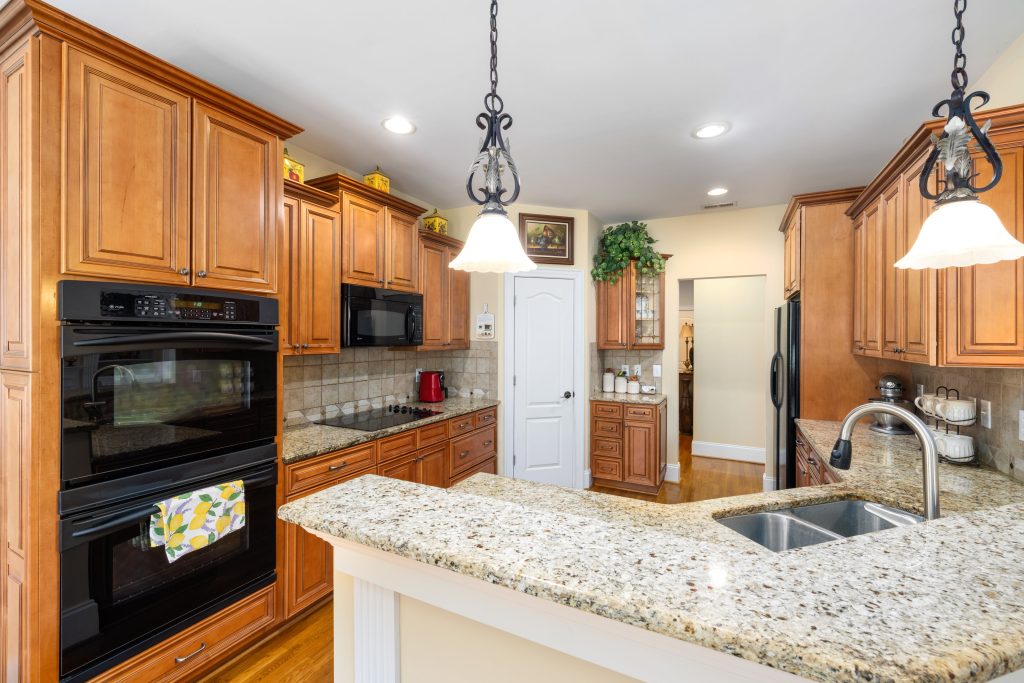
How often should granite countertops be sealed?
Most granite countertops should be sealed every 12–24 months. That’s the standard range for residential kitchens. Some dense granite slabs can go longer, while lighter or more porous stones may need sealing closer to once a year. At Anderson Granite & Marble Shop of Greenwood, we don’t give a one-size answer. We look at how the kitchen is used, because daily habits matter just as much as the material itself.
What determines how often sealing is needed?
The main factors are porosity, usage, and cleaning habits. Not all granite is the same. Dark, dense granite absorbs less and may hold a seal longer. Lighter stones often need more frequent sealing. Busy kitchens, especially those with regular cooking, oils, and spills, wear down sealers faster. We’ve seen homeowners in Silverstreet, SC go two years without resealing, while others benefit from doing it annually. That’s why people visiting granite stores in Silverstreet, SC often get different answers, it depends on real use.
How do you know when it’s time to reseal?
Use a simple water test. Pour a small amount of water on the surface and wait 5–10 minutes. If the water beads up, the seal is still working. If it darkens the stone, it’s time to reseal. This test takes seconds and gives a clear answer. At Anderson Granite & Marble Shop of Greenwood, we recommend homeowners check once or twice a year instead of guessing.
What happens if granite isn’t sealed?
Unsealed granite becomes more vulnerable to staining. Liquids like oil, wine, and coffee can penetrate the surface over time if there’s no protective barrier. That doesn’t mean immediate damage, but it increases the risk. The longer spills sit, the more likely they are to leave marks. We’ve seen this happen in older kitchens where sealing was skipped for years. It’s avoidable with minimal effort.
Does sealing protect against scratches or heat?
No, sealing only protects against stains, not physical damage. Granite is already highly scratch-resistant and heat-resistant by nature. Sealing doesn’t change that. It simply adds a layer of protection against liquid absorption. This is something we clarify early at Anderson Granite & Marble Shop of Greenwood, especially for clients comparing granite to quartz or marble.
How long does sealing take?
Sealing granite usually takes 20–30 minutes, plus drying time.
The process is simple:
Clean the surface
Apply the sealer evenly
Let it absorb
Wipe off excess
Most sealers cure within a few hours, though we recommend avoiding heavy use for 24 hours. Compared to the lifespan of granite, this is minimal effort.
Is sealing something homeowners can do themselves?
Yes, most homeowners can seal granite themselves. Sealers are widely available and easy to apply. No special tools are required. However, some homeowners prefer professional sealing, especially for larger kitchens or high-end stone. At Anderson Granite & Marble Shop of Greenwood, we offer guidance either way, depending on what fits your comfort level.

How does granite compare to quartz and marble in maintenance?
Granite requires moderate maintenance, quartz requires very little, marble requires more care. Quartz doesn’t need sealing at all because it’s non-porous. Marble requires sealing and is more sensitive to etching and staining. Granite sits in the middle.
It needs occasional sealing but is otherwise very durable. That’s why many homeowners exploring granite stores in Silverstreet, SC choose granite, it balances performance and maintenance.
What does granite cost in Silverstreet, SC?
In 2026 granite countertops typically cost $40–$100 per square foot installed. For an average kitchen (40–50 sq ft), total cost usually ranges from $1,600 to $4,500.
Pricing depends on:
Stone level (entry-level vs premium slabs)
Edge profile
Sink cutouts
Installation complexity
At Anderson Granite & Marble Shop of Greenwood, we include templating, fabrication, and installation in that pricing so homeowners know exactly what they’re getting.
How long does granite installation take?
Most projects take 10–14 days from template to installation.
The timeline includes:
Measurement and template: 1–2 days
Fabrication: 5–7 days
Installation: 1–2 days
We handle the full process, including removing old countertops and completing final installation. This timeline is consistent with what homeowners find when working with granite stores in Silverstreet, SC.
What is it like maintaining granite long-term?
Granite maintenance becomes routine very quickly. At first, homeowners tend to be cautious. They think about sealing, watch for spills, and pay attention to details. After a few months, it becomes second nature. Sealing once a year feels like a small task, not a burden. We’ve seen this pattern in many homes across Silverstreet, SC. Granite doesn’t demand constant attentionit just needs occasional care.
Does sealing affect the look of granite?
No, sealing does not change the appearance of granite. It doesn’t add shine or alter the color. It simply protects the surface.
Some enhanced sealers can deepen color slightly, but standard sealers are invisible once applied. At Anderson Granite & Marble Shop of Greenwood, we help homeowners choose the right type based on their preferences.
FAQ: Granite Sealing Explained
How often should I seal granite countertops?
Typically once every 1–2 years, depending on use and stone type.
Can I skip sealing if my granite looks fine?
No, the surface may still absorb liquids even if it looks unchanged.
What’s the easiest way to check if sealing is needed?
Use the water test, if water darkens the stone, it’s time to reseal.
Does sealing prevent scratches?
No, granite is naturally scratch-resistant, but sealing only protects against stains.
Is professional sealing better than DIY?
Both work. Professional sealing is more thorough, but DIY is effective for most homeowners.
How long does sealing last?
Usually 12–24 months depending on usage.
Does granite need more maintenance than quartz?
Yes, quartz requires less maintenance since it doesn’t need sealing.
Granite sealing is not complicated. It’s a simple step done once a year or so that keeps the surface protected for the long term.
For most homeowners, it’s a small trade-off for a material that handles heat, scratches, and daily use so well. That’s why granite continues to be a strong choice for people exploring granite stores in Silverstreet, SC, it offers durability without overwhelming maintenance.
About Anderson Granite & Marble Shop of Greenwood
Address: 3421 US-25 Greenwood, SC 29646
Phone: (864) 400-0150
Anderson Granite & Marble Shop of Greenwood is based in Greenwood, SC and serves homeowners in Silverstreet, SC and surrounding areas. We specialize in granite, quartz, and marble countertops, handling everything from material selection to fabrication and installation.
Our suppliers: Cambria, MSI Surfaces, Daltile, Moda Quartz, Stone Showcase, Silestone (Cosentino House), Caesarstone, Hanstone, Walker Zanger, Spectrum Quartz, Wilsonart, Cosmos Surfaces.
If you’re comparing options at granite stores in Silverstreet, SC, we can guide you through pricing, timelines, and maintenance so you know exactly what to expect before starting your project. Because the right countertop isn’t just about installation. It’s about how it performs for years after.