

When people choose marble countertops in Silverstreet, SC, the decision is often driven by the aesthetic appeal of the stone. The elegant veining, the timeless feel, and the sense of luxury that marble brings to a kitchen or bathroom are undeniable. However, as more homeowners become increasingly conscious of the environment, the question arises: How sustainable is marble, and what impact does it have on the environment?
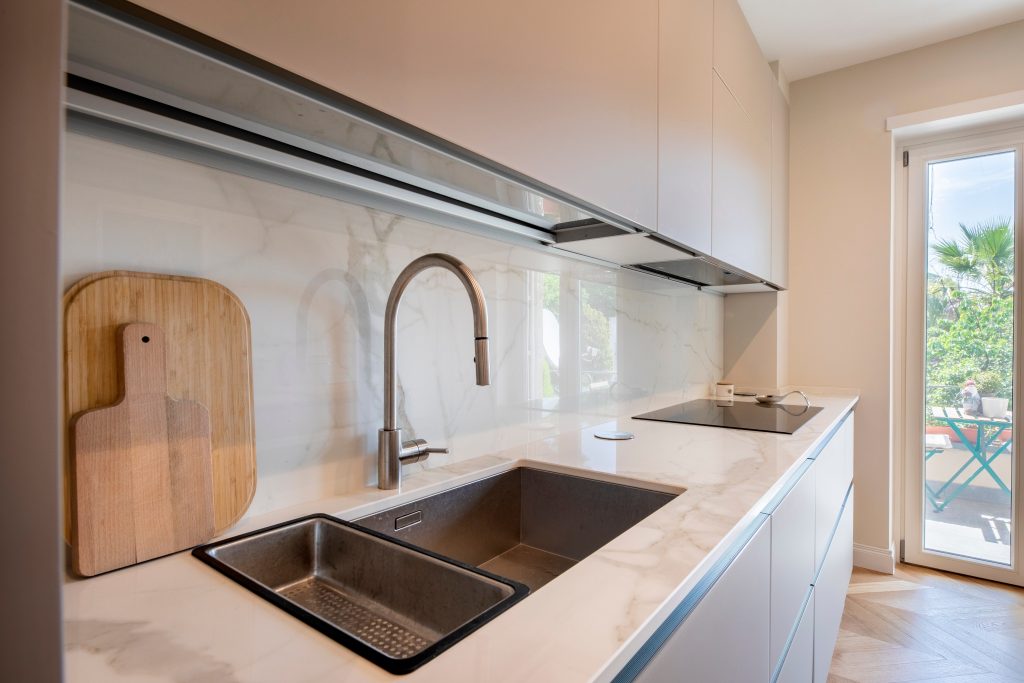
At Anderson Granite & Marble Shop of Greenwood, we get asked this question more and more. Marble is a natural stone, but like all materials, its production and installation come with environmental considerations. While marble has many benefits, understanding its environmental impact is crucial for making an informed decision.
In this article, we’ll explore the environmental effects of marble countertops, the sustainable aspects of the material, and what homeowners can do to minimize their impact when choosing marble countertops in Silverstreet, SC.
The Basics of Marble as a Natural Resource
Marble is a metamorphic rock that forms when limestone undergoes high pressure and temperature. Its natural formation process means that marble is an abundant material, and in many ways, it is more environmentally friendly than man-made options. After all, it’s a product of nature, requiring less processing and artificial production compared to engineered surfaces like quartz or concrete.
However, while marble itself is a natural stone, its journey from the quarry to your countertop involves energy-intensive processes, transportation, and certain mining practices that contribute to its environmental footprint.
When it comes to marble countertops in Silverstreet, SC, the environmental impact is largely defined by the way the marble is extracted and the energy used in its transportation and fabrication. The quarrying process, for instance, uses heavy machinery and requires significant energy. The extraction of large marble blocks can disrupt local ecosystems and landscapes, which is why quarrying practices must be managed sustainably to reduce these impacts.
At Anderson Granite & Marble Shop of Greenwood, we work with suppliers who adhere to responsible quarrying practices, ensuring that marble is extracted in a way that minimizes environmental damage.
Quarrying and Energy Use: The Hidden Costs
One of the most significant environmental concerns with marble countertops in Silverstreet, SC is the mining process. Quarrying marble requires large-scale machinery that can have an environmental impact through fuel consumption, deforestation, and the alteration of landscapes.
As with any natural stone, the extraction of marble involves the use of heavy machinery that consumes fossil fuels, emitting greenhouse gases and contributing to air pollution. Additionally, marble quarries can result in habitat destruction, soil erosion, and the disturbance of local water systems if not managed responsibly.
While the mining process for marble can have environmental effects, there are steps being taken to reduce these impacts. For example, some quarries have implemented measures to control water usage, reduce emissions, and restore ecosystems after the quarrying process is complete. These sustainable practices are essential for reducing the carbon footprint associated with marble countertops in Silverstreet, SC.
We prioritize working with suppliers who follow sustainable practices and are committed to reducing the environmental impact of marble extraction. This means that homeowners who choose marble from responsible suppliers can feel confident that they’re making a more eco-conscious choice.

Transportation and Carbon Footprint
Once marble is extracted from the quarry, it needs to be transported to fabrication facilities and, ultimately, to your home. The environmental footprint of marble countertops increases with transportation, especially if the material is being shipped from overseas or long distances.
The carbon emissions from transportation depend on how far the marble must travel. If the marble is sourced locally or from a nearby region, the carbon footprint is relatively low. However, if the marble is shipped internationally, it can significantly increase the overall environmental impact.
For marble countertops in Silverstreet, SC, choosing locally sourced marble can help reduce the carbon footprint associated with transportation. At Anderson Granite & Marble Shop of Greenwood, we work with suppliers who source materials from both local and global quarries, always aiming to minimize transportation distances where possible. This practice helps to reduce the overall environmental impact of the marble countertops we offer.
When choosing marble countertops in Silverstreet, SC, consider the origin of the material and ask your supplier about its transportation logistics. Sourcing locally can greatly reduce your countertops’ carbon footprint.
The Durability of Marble and Longevity in Your Home
One of the key factors that make marble countertops an environmentally friendly option is their durability. Marble, when cared for properly, can last for decades, even centuries. This longevity means that marble countertops will not need to be replaced frequently, unlike other materials that may wear out or become outdated much sooner.
This long lifespan means that, in the long run, marble countertops can be more sustainable compared to alternatives that require more frequent replacement. Choosing marble countertops in Silverstreet, SC is an investment in longevity, as the stone is capable of withstanding the wear and tear of daily life. Proper maintenance ensures that the surface will retain its beauty and function for many years.
At Anderson Granite & Marble Shop of Greenwood, we make sure that every marble countertop is installed and sealed correctly to enhance its durability. This reduces the need for replacements, which lowers the environmental impact associated with manufacturing and disposing of countertops.
Marble’s Natural Beauty and the Importance of Eco-Friendly Sealers
While marble countertops require some care to maintain their beauty, the materials themselves are incredibly eco-friendly in terms of their longevity. However, it’s important to consider the products used to maintain the stone’s finish.
To keep marble countertops looking their best, homeowners must regularly clean and seal the surface. Some sealers can contain harsh chemicals, which can add to the environmental impact of marble. Thankfully, there are now eco-friendly, non-toxic sealers available that provide the same protection without harming the environment.
Marble’s Natural Patina and Sustainability
One of the most appealing aspects of marble is its natural beauty. As marble ages, it develops a unique patina that tells the story of how it’s been used. Over time, this aging process adds character to the stone, making it a sustainable choice for homeowners who appreciate the beauty of natural wear.
This aging process is part of the charm of marble countertops in Silverstreet, SC. Instead of staying the same forever, the stone evolves, becoming more beautiful and unique over time. It’s a material that ages gracefully and does not need to be replaced due to wear.
At Anderson Granite & Marble Shop of Greenwood, we encourage homeowners to embrace the natural aging process of marble. It’s part of the sustainable nature of the material, as it doesn’t need constant repairs or replacements, unlike synthetic materials that degrade over time.
Responsible Marble Sourcing for a Greener Future
As we continue to prioritize sustainability, sourcing marble from responsible quarries is crucial. Eco-friendly quarrying practices, such as minimizing environmental damage, reducing water usage, and using renewable energy sources, help reduce the environmental footprint of marble.
At Anderson Granite & Marble Shop of Greenwood, we ensure that our suppliers adhere to sustainable practices, making it easier for our customers to make environmentally responsible choices when purchasing marble countertops in Silverstreet, SC. By choosing a supplier committed to reducing environmental impacts, you can feel confident that your marble countertops are not only beautiful but also ethically sourced.
Conclusion: Making a Sustainable Choice with Marble Countertops
Marble countertops offer a timeless beauty that can last for decades. While the environmental impact of marble extraction and transportation is not negligible, there are ways to minimize that footprint. By choosing responsibly sourced marble, using eco-friendly cleaning products, and appreciating the natural aging process, homeowners can make an informed and sustainable choice when selecting marble countertops in Silverstreet, SC.
At Anderson Granite & Marble Shop of Greenwood, we understand that sustainability is important to our customers. We are dedicated to helping homeowners choose beautiful materials that work for their homes and the environment. By embracing the natural qualities of marble and making conscious decisions about its care, you can enjoy its elegance while minimizing its environmental impact.
If you’re considering marble for your kitchen or bathroom, don’t hesitate to visit Anderson Granite & Marble Shop of Greenwood in Greenwood, SC. We’re happy to guide you through the selection and installation process, helping you find the perfect marble countertops for your space while keeping sustainability in mind.