
When selecting materials for new countertops, one crucial factor to consider is the porosity of the material. At Anderson Granite & Marble Shop of Greenwood, we often guide our customers through understanding what porosity means and its implications, especially when they are considering options like quartz countertops Greenwood, SC. Porosity refers to the ability of a material to absorb liquids and gases, which can have significant effects on the maintenance, durability, and hygiene of countertops.
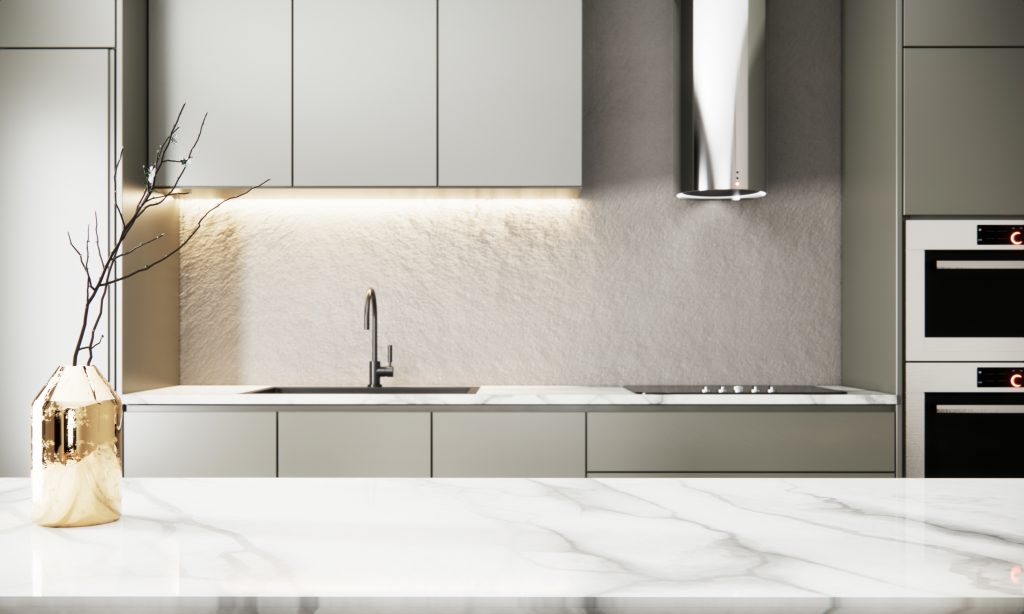
What does it mean for a countertop material to be porous?
Porosity in materials science refers to the presence of tiny holes or pores within a solid material. These pores can absorb liquids and even harbor bacteria, making the porosity level a critical factor in the choice of materials used for surfaces that are frequently exposed to spills, such as kitchen countertops. Materials with high porosity are more likely to stain and require more maintenance to keep them looking their best and hygienic.
Comparing the Porosity of Different Countertop Materials
Countertop materials vary widely in their levels of porosity. Natural stone materials like marble and granite have higher levels of porosity compared to engineered stones like quartz countertops Greenwood, SC. This natural porosity can be mitigated to some extent by applying sealants, which need to be reapplied periodically to maintain their protective properties. On the other hand, engineered stone countertops are manufactured to have very low porosity, which is a significant advantage in terms of maintenance and durability.
Benefits of Low Porosity in Countertops
Quartz countertops are an excellent example of the benefits of low porosity. These countertops are engineered from a combination of natural quartz and polymer resins, which results in a surface that is virtually non-porous. This means that quartz countertops Greenwood, SC, are highly resistant to staining and do not require regular sealing, unlike many natural stones. The low porosity also makes quartz countertops more hygienic, as there are fewer spaces for bacteria and mold to accumulate, making them a safer choice for kitchen environments where food preparation takes place.
At Anderson Granite & Marble Shop of Greenwood, we stress the importance of considering porosity when choosing a countertop material. Understanding the level of porosity can help you make a more informed decision based on how much maintenance you are willing to perform, your budget for initial and ongoing costs, and your expectations for the longevity and appearance of the countertop. Whether you are drawn to the beautiful natural patterns of granite or the durable and low-maintenance qualities of quartz countertops Greenwood, SC, considering porosity will guide you to the best choice for your home.
We invite you to visit Anderson Granite & Marble Shop of Greenwood to see our wide selection of low-porous quartz options and discuss how they can meet your specific needs and preferences for kitchen and bathroom countertops. Our experts are here to provide all the information you need to choose the ideal surface for your home.
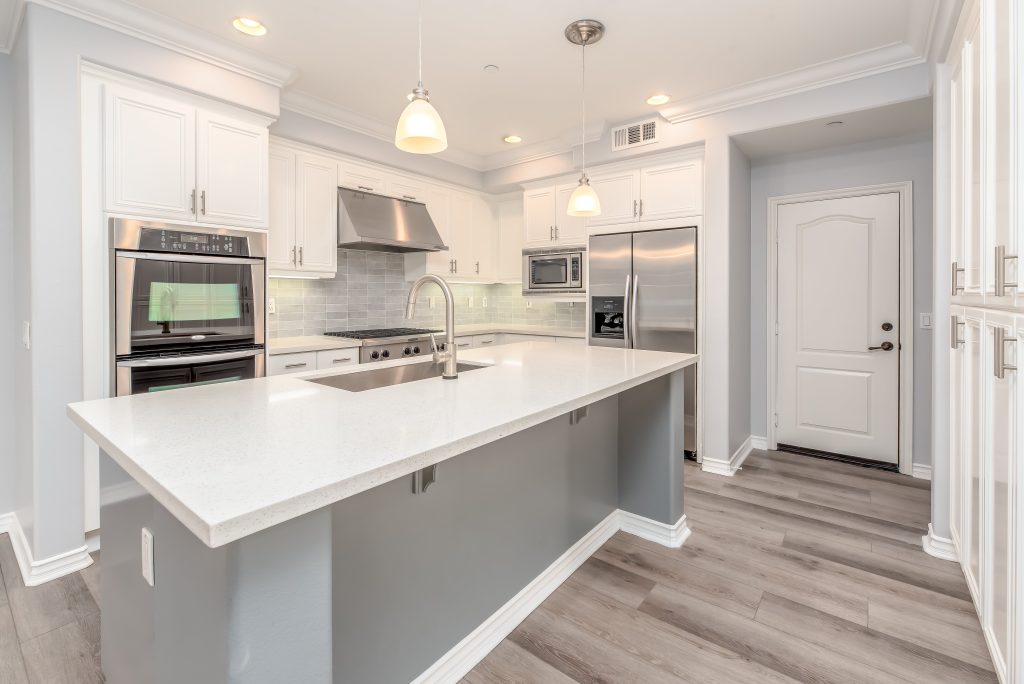
Is quartz porous compared to other popular countertop materials?
Continuing the discussion on the properties of countertop materials, one common question we address at Anderson Granite & Marble Shop of Greenwood is about the porosity of quartz countertops Greenwood, SC, especially in comparison to other popular countertop materials like granite and marble.
Quartz’s Non-Porous Nature
Quartz countertops are engineered from a combination of 90% ground natural quartz and 10% resins, polymers, and pigments. This manufacturing process creates a highly durable and non-porous surface. Unlike natural stone countertops that have microscopic pores and fissures, quartz’s resin binders seal these pores, making the material essentially impervious to stains. This non-porous quality means that quartz countertops Greenwood, SC do not require sealing to protect against everyday cooking oils, liquids, and even acids, which can penetrate other surfaces and cause damage or discoloration.
Comparison with Granite and Marble
Granite, while less porous than marble, still has natural pores and tiny cracks that can absorb liquids if not properly sealed. This characteristic makes granite susceptible to staining and bacterial growth if the sealing wears off and is not reapplied periodically. Marble, known for its beauty, is even more porous and prone to staining and etching from acidic substances, making it a higher-maintenance option for areas like kitchens.
In contrast, the non-porous nature of quartz countertops provides a significant advantage in terms of maintenance and hygiene. The absence of pores ensures that you won’t find common stains setting in, and it also means these countertops are more resistant to the growth of mold, mildew, and bacteria — critical factors in food preparation and dining spaces.
The Practical Implications
For homeowners who prioritize ease of maintenance and longevity in their countertop choices, quartz countertops present an appealing option. The resilience of quartz to staining and its lack of a need for periodic resealing can also lead to cost savings over time, not just in maintenance products but in the effort involved in upkeep.
At Anderson Granite & Marble Shop of Greenwood, we recommend considering how these properties align with your lifestyle and kitchen usage. If low maintenance, durability, and a consistently clean surface are your priorities, then quartz is an excellent choice. Our team is here to discuss how quartz countertops can meet your specific needs, complement your kitchen’s style, and provide a hassle-free experience in your home.
Visit us to explore our vast selection of quartz options and learn more about why this material might be the perfect choice for your new countertops. Our experts at Anderson Granite & Marble Shop of Greenwood are eager to assist you in finding the ideal countertop solution that balances beauty, durability, and ease of maintenance.
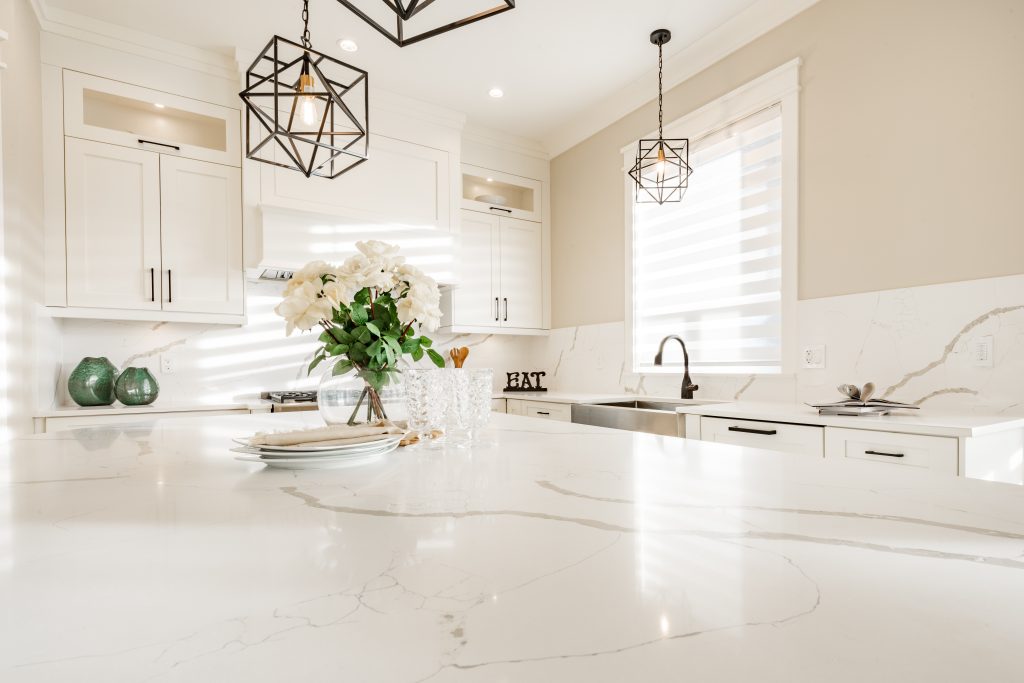
What are the implications of quartz’s porosity (or lack thereof) for its maintenance and longevity?
Continuing the discussion on quartz countertops it is important to explore the practical implications of quartz’s lack of porosity on its maintenance and longevity. This attribute significantly impacts how quartz countertops perform over time, especially in a busy kitchen environment.
Maintenance Simplicity
The non-porous nature of quartz countertops means they are incredibly easy to clean. Unlike porous countertops that require special cleaners and more rigorous cleaning routines to prevent staining and bacterial growth, quartz can be cleaned with simple soap and water. This ease of maintenance not only makes quartz a convenient option but also a cost-effective one, as there is no need to purchase special cleaning products or sealants.
Durability and Longevity
One of the most significant advantages of the non-porous nature of quartz countertops is their enhanced durability. Without pores, quartz is highly resistant to staining and does not harbor bacteria or viruses, which could otherwise seep into a more porous material. This makes quartz an excellent choice for families concerned about hygiene and for those who enjoy cooking frequently but want to minimize the fuss of a lengthy cleanup.
Moreover, quartz’s resilience to staining and etching means that it maintains its pristine appearance for longer than many other countertop materials. The lack of porosity prevents the kinds of damage that typically degrade materials like marble and granite over time, such as stains from food or liquid spills and etching from acidic substances.
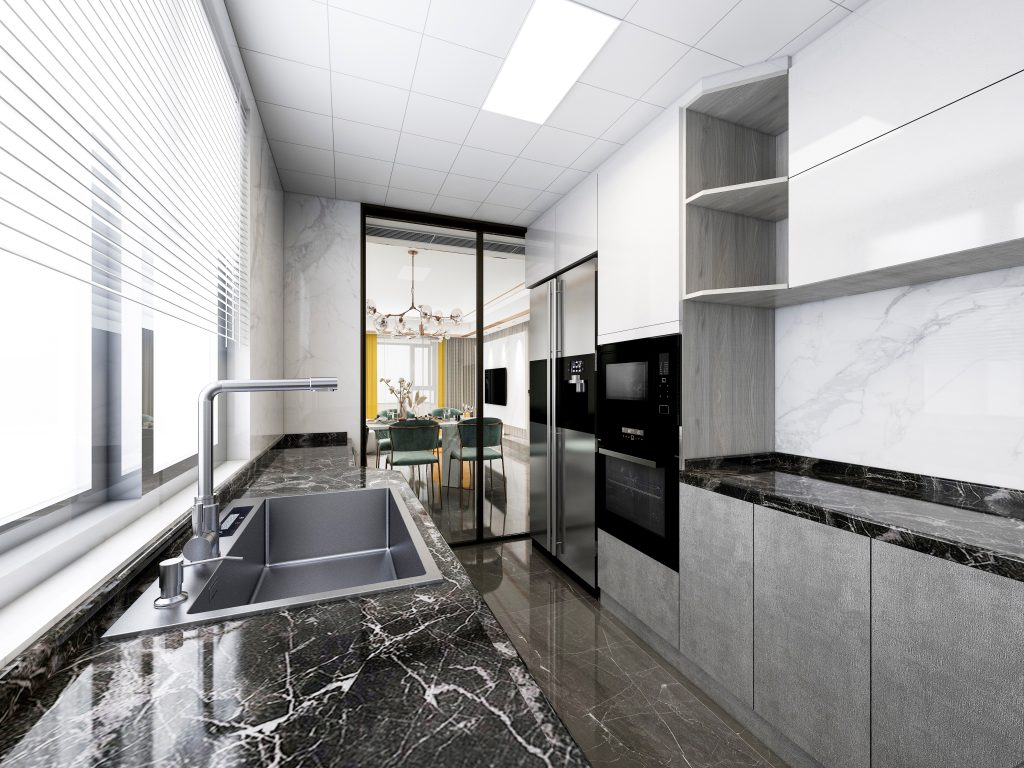
At Anderson Granite & Marble Shop of Greenwood, we highly recommend quartz countertops for anyone seeking a blend of style, durability, and low maintenance. The non-porous quality of quartz not only simplifies cleaning and care but also contributes to the longevity and preservation of the countertop’s appearance. This makes quartz an ideal choice for both new constructions and renovations in kitchens and bathrooms.
Choosing quartz countertops Greenwood, SC means investing in a solution that will keep your kitchen or bathroom looking beautiful and functional for years to come, without the worry of frequent upkeep or damage. Visit Anderson Granite & Marble Shop of Greenwood to view our extensive selection of quartz options and learn more about how this material can meet your design and functional needs. Our team is ready to assist you in making a decision that will add lasting value to your home.