

Quartz is a popular choice for kitchen countertops in Greenwood, SC, due to its aesthetic appeal and durability. At Anderson Granite & Marble Shop of Greenwood, we frequently address questions about the heat resistance of quartz countertops. Knowing how your countertops react to heat is crucial for maintaining their beauty and functionality.

What are the heat resistance properties of quartz countertops?
Composition and Heat Resistance
Quartz countertops are engineered from natural quartz combined with polymer resins. This composition makes them relatively heat resistant compared to purely synthetic materials. However, despite their robustness, quartz is not entirely heat-proof. The resin components can react to extremely high temperatures, typically above 300 degrees Fahrenheit. Prolonged exposure to high heat may cause the resin to soften and degrade, which could lead to discoloration and structural damage.
Comparison with Other Materials
When comparing quartz to other materials used for kitchen countertops in Greenwood, SC, such as granite or marble, quartz offers a moderate level of heat resistance. Natural stones like granite have higher heat resistance because they are formed under immense heat and pressure naturally. Quartz, while durable and resistant to scratches and stains, does not have the same tolerance to heat as its natural stone counterparts.
Safe Practices
For homeowners at Anderson Granite & Marble Shop of Greenwood with quartz kitchen countertops, it is recommended to use trivets or hot pads when placing hot items directly from the oven or stove. This precaution helps to avoid thermal shock — a rapid change in temperature that can cause the material to crack or weaken. It’s also advisable to avoid exposing quartz countertops to direct sunlight for extended periods, as UV light can degrade the resins over time and diminish the material’s heat resistance.
At Anderson Granite & Marble Shop of Greenwood, we ensure that all our customers understand the properties of their chosen materials for kitchen countertops. While quartz is a durable and beautiful choice for kitchen surfaces, recognizing its limitations with heat exposure ensures that these countertops remain in excellent condition for years to come. By following these guidelines, homeowners can enjoy the beauty and durability of quartz without undue wear from heat exposure.
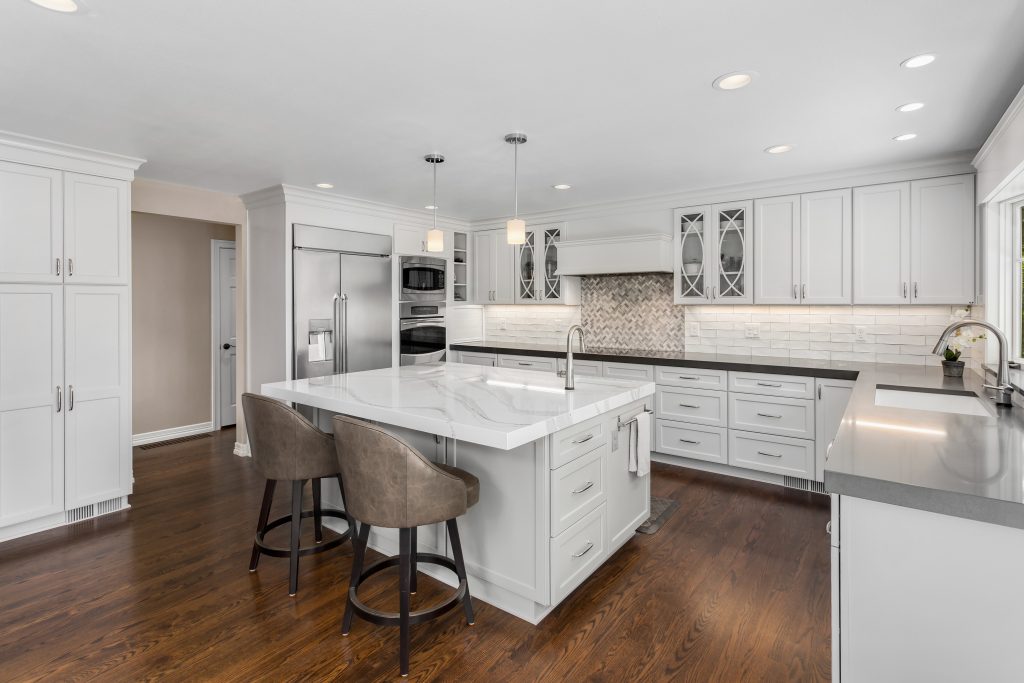
What potential damage can occur from placing hot pans directly on quartz?
Continuing our discussion on the heat resistance of quartz, it’s essential for homeowners to be aware of the specific types of damage that can result from placing hot pans directly on kitchen countertops in Greenwood, SC. At Anderson Granite & Marble Shop of Greenwood, we emphasize the importance of understanding these risks to help maintain the pristine condition of your countertops.
Thermal Shock and Cracking
One of the most immediate risks of placing a hot pan directly on quartz is thermal shock. Quartz, composed of natural stone and resin, can react to sudden changes in temperature. If a hot item is placed directly on the surface, the rapid increase in temperature can cause the material to expand quickly at the point of contact. This uneven expansion can lead to cracks, particularly if the countertop has any existing weak spots or flaws.
Discoloration and Burn Marks
The resin binders in quartz countertops make them susceptible to discoloration and burn marks when exposed to high heat. Prolonged or repeated exposure to heat can cause the resin to discolor, leaving unsightly yellow or brown stains that are often irreversible. This is particularly noticeable on lighter colored quartzcountertops, where the contrast with burn marks can be quite stark.
Degradation of Sealant and Finish
Excessive heat can also degrade the sealant that protects the surface of quartz countertops. This protective layer is crucial for maintaining the non-porous and stain-resistant qualities of quartz. When the sealant is compromised, it not only dulls the countertop’s finish but also makes it more susceptible to staining and bacterial growth, reducing the overall hygiene and aesthetic appeal of the kitchen countertops in Greenwood, SC.
At Anderson Granite & Marble Shop of Greenwood, we strongly advise against placing hot pans or any extremely hot items directly on quartz surfaces without a protective barrier, such as a trivet or hot pad. This simple precaution can prevent the potential physical damage to your quartz countertops, ensuring they remain a beautiful and functional part of your kitchen for many years. By understanding and mitigating these risks, homeowners can enjoy the enduring beauty and functionality of their kitchen countertops in Greenwood, SC without the pitfalls of heat-related damage.
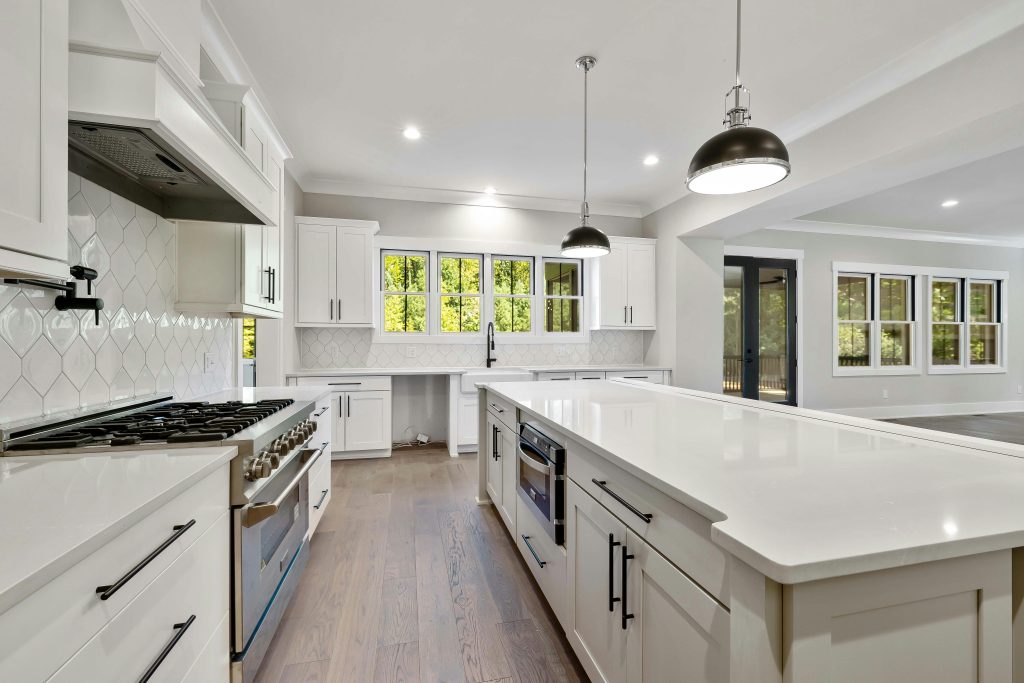
What precautions should be taken to protect quartz countertops from heat-related damage?
To safeguard quartz countertops from heat-related damage, it’s crucial to adopt several precautionary measures. At Anderson Granite & Marble Shop of Greenwood, we recommend the following strategies to ensure the longevity and aesthetic appeal of your quartz countertops.
Use Protective Barriers
Always use trivets, hot pads, or heat mats when placing hot pots, pans, or baking dishes directly from the oven or stove onto your quartz countertops. These barriers provide a layer of protection between the hot item and the quartz surface, effectively preventing thermal shock and potential damage.
Avoid Direct Sunlight
While not directly related to hot cookware, prolonged exposure to direct sunlight can also impact the thermal stability and coloration of kitchen countertops in Greenwood, SC. Installing window coverings or using UV protective film can help minimize direct sunlight on your countertops, thus preserving the resin’s integrity and preventing discoloration.
Regular Maintenance
Keep your quartz countertops in optimal condition by regularly checking and maintaining the sealant. A well-maintained sealant not only enhances the countertop’s resistance to stains but also contributes to its heat resistance. Consult with professionals at Anderson Granite & Marble Shop of Greenwood for advice on the best products and schedules for sealing quartz surfaces.
Immediate Action on Spills and Heat Exposure
If a hot item accidentally comes into contact with the quartz surface, remove it immediately. Similarly, clean up any spills promptly to avoid potential staining, especially from substances that could react unfavorably with the heat, exacerbating the damage.

By adhering to these precautions, you can significantly mitigate the risks of heat-related damage to your kitchen countertops in Greenwood, SC. At Anderson Granite & Marble Shop of Greenwood, we are committed to helping our customers enjoy the beauty and functionality of their quartz countertops for many years. By understanding and implementing these simple protective measures, you ensure that your investment remains as stunning and vibrant as the day it was installed.