

Freshly installed marble looks polished, bright, and almost untouched. Over time, the surface begins to change. Small variations in sheen appear, light etching may soften the finish, and frequently used areas begin to look different from untouched sections.
For some homeowners, those changes feel like damage. For others, they create the exact character that makes marble more beautiful. We often explain this difference to customers considering marble countertops in Hartwell, GA because marble does not age like quartz or granite. It develops a visual history.
At Anderson Granite & Marble Shop of Greenwood, we help homeowners understand that patina is not the same thing as neglect. When marble is cleaned correctly, sealed when needed, and protected from severe damage, its natural aging can make a kitchen or bathroom feel warmer, softer, and more personal.
What Is a Marble Patina?
A marble patina is the gradual change in surface appearance created by normal use, cleaning, light exposure, and minor etching.
Patina may include a softer shine, subtle texture changes, faint etch marks, and a more blended appearance across heavily used areas. It develops slowly rather than through one dramatic accident.
A patina does not usually affect the structural strength of the stone. It changes how the surface reflects light.
Why Can Patina Make Marble Look More Beautiful?
Patina makes marble feel less formal and more connected to the home around it.
Perfectly polished stone can look almost untouched. As the finish softens, the surface begins to feel more natural and lived in.
The effect is similar to aged wood, worn leather, or unlacquered brass. The material records everyday use instead of remaining visually frozen.
Homeowners choosing marble countertops in Hartwell, GA often appreciate marble more once they stop expecting permanent perfection.
Is Patina the Same as Staining or Damage?
No. Patina is gradual surface aging, while stains, chips, cracks, and deep scratches are separate problems.
Light etching may become part of a patina. A dark oil stain or broken edge should not be treated as normal aging.
| Surface change | Is it patina? | Typical response |
|---|---|---|
| Softened overall sheen | Usually | Accept or re-polish |
| Fine, blended etching | Often | Accept, hone, or restore |
| Dark oil mark | No | Poultice or professional treatment |
| Deep scratch | No | Professional refinishing |
| Edge chip | No | Repair |
| Structural crack | No | Evaluate support |
At Anderson Granite & Marble Shop of Greenwood, we encourage homeowners to identify the cause before deciding whether restoration is necessary.
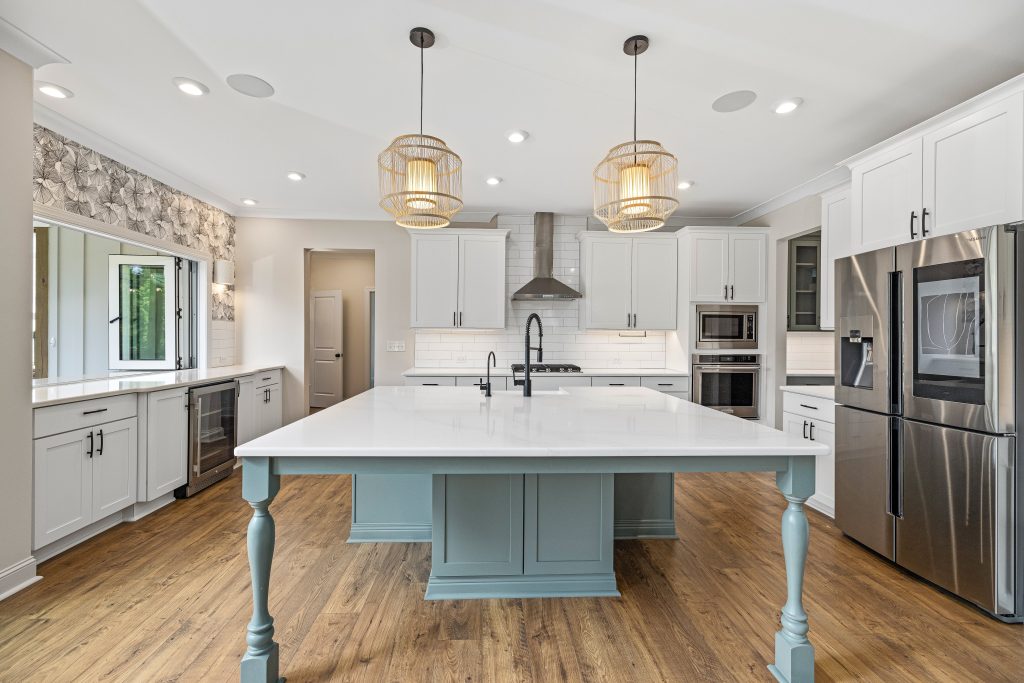
Why Does Polished Marble Show Changes Faster?
Polished marble shows etching more clearly because acids interrupt its reflective finish.
Lemon juice, wine, tomato sauce, vinegar, and some cleaners can react with the calcium carbonate in marble. The reaction creates a dull area visible under overhead or window light.
One isolated mark can look distracting on a new slab. As more small marks develop and blend together, the finish may begin to feel intentional rather than damaged.
This is why some homeowners prefer honed marble from the beginning.
Does Honed Marble Age Better Than Polished Marble?
Honed marble usually hides ordinary etching better, while polished marble offers more initial shine.
| Finish | Initial appearance | Etching visibility | Long-term character |
|---|---|---|---|
| Polished | Reflective and formal | Higher | Strong contrast as patina develops |
| Honed | Soft and matte | Lower | Even, relaxed aging |
| Leathered | Textured | Lower | Strong tactile character |
For active homes, honed marble often creates fewer visual surprises. When we discuss marble countertops in Hartwell, GA, we ask how homeowners feel about visible wear before recommending a finish.
Which Daily Activities Create Marble Patina?
Cooking, cleaning, serving food, and repeated contact gradually change marble’s surface.
Common causes include:
- Preparing citrus, tomatoes, or wine
- Repeated wiping in the same areas
- Water drying around sinks
- Hands resting along an island edge
- Sliding plates or small appliances
- Sunlight crossing the slab each day
These habits do not automatically ruin marble. Together, they create subtle variation.
Can Sealing Stop Patina From Developing?
No. Sealing reduces absorption and staining, but it does not stop etching or normal wear.
A penetrating sealer helps slow oils and liquids from moving into the stone. It does not create an acid-proof coating.
Marble may still etch after contact with lemon juice or vinegar even when recently sealed.
At Anderson Granite & Marble Shop of Greenwood, we explain that sealing is stain protection, not a guarantee that marble will remain visually unchanged.
How Should Marble Be Cleaned Without Damaging Its Character?
Use gentle, pH-neutral products and avoid aggressive scrubbing.
A practical routine includes:
- Wiping spills promptly
- Using warm water and mild dish soap
- Choosing a pH-neutral stone cleaner
- Drying the surface with a soft cloth
- Avoiding vinegar, citrus cleaner, bleach, and abrasive powders
Harsh cleaners can create uneven dullness instead of attractive patina. Homeowners with marble countertops in Hartwell, GA should also avoid leaving oils, cosmetics, or strongly colored liquids on the surface overnight.
How Does Marble Aging Compare With Granite and Quartz?
Marble changes the most visibly, granite changes more subtly, and quartz stays the most consistent.
| Material | How it ages | Sealing | Heat resistance | Maintenance |
|---|---|---|---|---|
| Marble | Develops etching and patina | Usually every 6–12 months | Good | Higher |
| Granite | Subtle wear in high-use areas | Often every 1–3 years | Excellent | Moderate |
| Quartz | Usually stays consistent | Not required | Moderate | Low |
| Quartzite | Subtle natural wear | Often every 1–2 years | Excellent | Moderate |
Quartz suits homeowners who want predictability. Granite offers natural variation with stronger acid resistance. Marble suits people who value evolving character.
For homeowners comparing marble countertops in Hartwell, GA with granite or quartz, the most important question is whether visible aging feels beautiful or frustrating.
Can Marble Patina Be Removed Later?
Yes. Many marble surfaces can be honed, polished, and professionally restored.
Restoration can reduce etching, scratches, and uneven shine. The result depends on the depth of the damage and original finish.
A homeowner may restore marble before selling, after a renovation, or when the surface no longer feels balanced. This ability to renew the stone is one reason marble remains valuable.
How Much Do Marble Countertops Cost?
Most installed marble projects range from approximately $70 to $180 or more per square foot.
Pricing varies with slab rarity, thickness, edge profile, sink cutouts, vein matching, and installation complexity.
| Material | Typical installed range |
|---|---|
| Granite | $45–$120+ per sq. ft. |
| Quartz | $55–$140+ per sq. ft. |
| Marble | $70–$180+ per sq. ft. |
| Quartzite | $80–$200+ per sq. ft. |
At Anderson Granite & Marble Shop of Greenwood, we provide project-specific estimates after reviewing measurements, material selection, cutouts, and edge details.
How Long Does Marble Fabrication and Installation Take?
Most projects take about 10–14 business days from final template to installation.
| Project stage | Typical timing |
|---|---|
| Material selection | 1–3 days |
| Digital templating | One appointment |
| Fabrication | 5–10 business days |
| Installation | Usually one day |
| Plumbing reconnection | Same day or following day |
Complex vein matching, full-height backsplashes, unusual sink details, or material availability may extend the schedule.
What Should Homeowners Ask Before Choosing Marble?
Ask about finish, sealing, restoration, slab variation, and realistic daily care.
Useful questions include:
- Is polished or honed marble better for our routine?
- How often should this stone be sealed?
- Where will seams be placed?
- Can we view the full slab?
- Is professional restoration available later?
- Which cleaning products are safe?
These questions help homeowners decide whether they want a surface that stays consistent or develops character.
Does Patina Reduce Home Value?
Not necessarily. A balanced, well-maintained patina can enhance the character of natural marble.
Buyers who understand marble may view patina as proof that the stone is authentic and has aged naturally.
Large stains, broken edges, open seams, or severe uneven wear are different. The best-looking patina feels blended and intentional; neglect usually looks isolated, dark, broken, or dirty.
Is Marble Right for Every Homeowner?
No. Marble works best for people who value natural variation more than permanent perfection.
Homeowners who want predictable color, minimal maintenance, and stronger acid resistance may prefer quartz or granite.
Those who appreciate changing sheen, fine etching, and a lived-in surface often find marble more beautiful as time passes.
FAQ
What Does Marble Patina Look Like?
It usually appears as softened shine, blended etching, and subtle variation across frequently used areas.
Is Marble Patina Permanent?
It can remain indefinitely, but professional honing or polishing can remove much of it.
Does Sealing Prevent Marble From Etching?
No. Sealing reduces staining but does not stop acid reactions.
Is Honed Marble Easier to Live With?
Often yes. Its matte finish hides ordinary etching better than polished marble.
Can Stained Marble Be Restored?
Many stains can be treated, although results depend on the substance and depth.
How Often Should Marble Be Sealed?
Many installations benefit from sealing every 6–12 months, depending on porosity and use.
How Long Does Marble Installation Take?
Most projects take about 10–14 business days from final template to installation.
Choosing Marble for a Home
Address: 3421 US-25 Greenwood, SC 29646
Phone: (864) 400-0150
Our suppliers: Cambria, MSI Surfaces, Daltile, Moda Quartz, Stone Showcase, Silestone (Cosentino House), Caesarstone, Hanstone, Walker Zanger, Spectrum Quartz, Wilsonart, Cosmos Surfaces.
Marble becomes most rewarding when homeowners understand that aging is part of its design.
Anderson Granite & Marble Shop of Greenwood is based in Greenwood, SC and serves Hartwell, GA and surrounding communities. We provide templating, custom fabrication, and installation for marble, granite, quartz, and quartzite kitchens, bathrooms, islands, vanities, and other residential surfaces.
For homeowners comparing marble countertops in Hartwell, GA, we help select the slab, finish, edge profile, and maintenance approach that fits both the design and the way the space will actually be used.